November 20, 2026
Selling an older vehicle can be more complicated than many owners expect, especially when the car has reached a point where maintaining it no longer makes financial sense. A vehicle that has been sitting in the driveway, developed mechanical problems, or accumulated years of wear may attract fewer private buyers than a newer model. Even when the car still runs, preparing it for sale, answering inquiries, arranging test drives, and negotiating a reasonable price can quickly become frustrating and time-consuming. Some owners also find themselves dealing with buyers who change their minds, request additional repairs, or struggle to arrange payment. That is why many people consider selling directly to cash buyers instead of relying on traditional listings. Choosing to sell car for cash can provide a more straightforward alternative, especially when convenience, timing, and avoiding unnecessary expenses are priorities. Understanding how cash buyers differ from private purchasers can help you decide whether this option makes sense for your vehicle and circumstances.
Simplifying the Selling Process
One of the biggest advantages of working with cash buyers is the simpler selling experience. Private listings typically require owners to photograph their vehicles, write descriptions, advertise online, and respond to potential buyers throughout the day. Those responsibilities can become overwhelming when the car has cosmetic damage, high mileage, or mechanical issues that need explaining. Cash buyers generally offer a more direct approach, allowing sellers to discuss their vehicles and receive an estimate without managing an entire advertising campaign. For someone who simply wants to sell car for cash, fewer steps can make the process considerably easier. Instead of spen
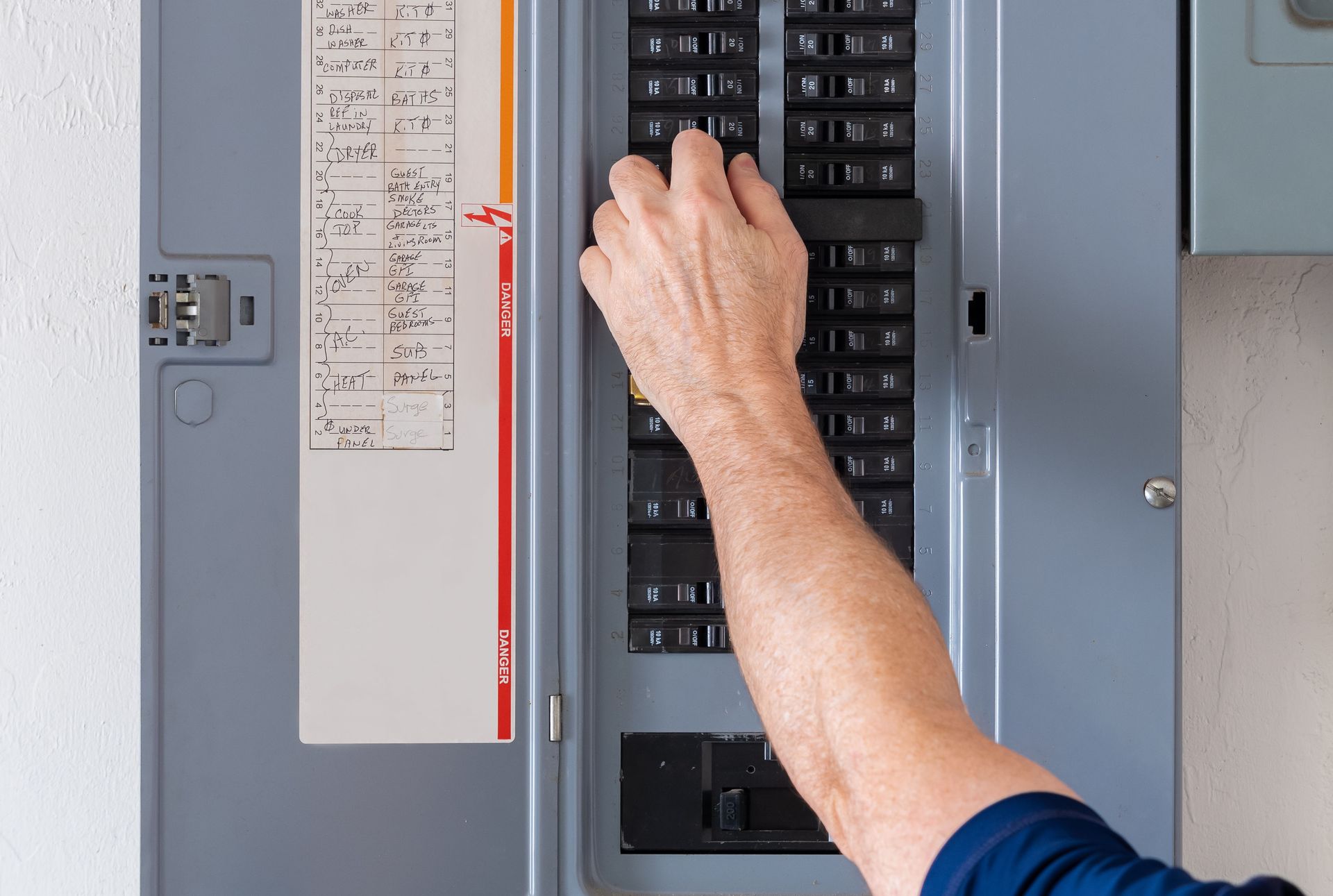
A circuit breaker that keeps tripping can quickly become frustrating, especially when it interrupts your favorite appliances, shuts down lights, or leaves part of your home without power. While resetting the switch might seem like an easy fix, repeated interruptions often indicate something more serious happening behind the scenes. Your electrical system is essentially sending you a warning, and ignoring it could lead to consequences that extend far beyond inconvenience.
Circuit breakers are designed to protect people, property, and electrical equipment from dangerous conditions. When something goes wrong, they interrupt the flow of electricity before excessive current causes additional damage. Understanding why these interruptions happen, recognizing the associated risks, and knowing when to seek professional assistance can help you maintain a safer environment.
Understanding the Importance of Circuit Breakers
Circuit breakers serve as essential safety devices that automatically interrupt electricity when a circuit experiences excessive current or certain electrical faults. Their primary purpose is to protect wiring from overheating and reduce the likelihood of electrical fires. Unlike traditional fuses, most circuit breakers can be reset after the underlying problem has been addressed, making them convenient for everyday electrical protection.
Different breakers provide different types of protection, including safeguards against overloads, short circuits, arc faults, and ground faults. Understanding these distinctions matters because a breaker is not simply a switch that controls whether electricity reaches your appliances. It is an important component of your property's electrical safety system, and electrical contractors can help determine whether your existing equipment provides appropriate protection.
Recognizing the Causes of Repeated Tripping
One of the most common reasons a breaker trips is an overloaded circuit. This happens when several appliances draw more electricity than the circuit can safely handle, particularly when high-demand equipment operates simultaneously. For example, running a microwave, space heater, and several other appliances on the same circuit may exceed its capacity and trigger an interruption.
Other problems can be more serious, including short circuits, damaged insulation, loose connections, and ground faults. These conditions can create dangerous electrical pathways, excessive heat, or unexpected current flow that requires immediate attention. If a breaker trips repeatedly without an obvious explanation, electrical contractors can inspect the circuit, identify the underlying issue, and recommend an appropriate repair instead of relying on repeated resets.
Identifying the Hidden Fire Hazards
A frequently tripping breaker can indicate conditions that increase the possibility of an electrical fire. Overloaded circuits and deteriorating wiring may generate excessive heat, particularly when connections are damaged or electrical components are operating beyond their intended limits. Although the breaker is designed to interrupt dangerous current, it cannot eliminate every fire risk associated with faulty electrical equipment.
Warning signs deserve particular attention because they can appear before a more serious incident occurs. Burning odors, buzzing sounds, discoloration around outlets, unusual warmth, or visible sparks should never be dismissed as normal electrical behavior. If you notice these symptoms, stop using the affected equipment, avoid touching damaged components, and seek professional assistance; electrical contractors can assess the source of the problem and determine whether immediate repairs or additional safety measures are necessary.
Protecting Your Appliances and Electronics
Repeated power interruptions can affect more than your home's lighting and convenience. Computers may lose unsaved information, appliances can stop operating unexpectedly, and certain electronic equipment may experience problems when exposed to electrical disturbances. Refrigerators, heating equipment, and other essential appliances can also become difficult to rely on when their circuits repeatedly lose power.
Over time, unresolved electrical problems may contribute to unnecessary repair expenses and premature equipment replacement. However, it is important to understand that ordinary breaker trips do not automatically mean appliances have been damaged, and a circuit breaker is not a dedicated surge protector. Electrical contractors can evaluate circuit conditions, recommend suitable surge protection, and help determine whether particular appliances require separate circuits or other electrical improvements.
Evaluating the Risks of Aging Wiring
Older electrical systems may struggle to accommodate the demands of modern households. Homes that were originally designed for fewer appliances may now support computers, entertainment systems, kitchen equipment, charging stations, and heating devices that place considerably greater demands on their wiring. As electrical components age, insulation can deteriorate, connections may loosen, and previously adequate circuits may become unsuitable for current usage.
These conditions can increase the likelihood of electrical faults, unexpected interruptions, and overheating. According to GMI, the circuit breaker market is projected to expand from USD 5.3 billion in 2025 to USD 9.6 billion in 2034, reflecting growing demand for circuit protection solutions. For property owners, this broader industry development reinforces the importance of understanding electrical safety and maintaining reliable equipment, while electrical contractors can assess older installations and identify practical opportunities for modernization.
Preventing Electrical Problems With Proper Maintenance
Preventive maintenance can help identify electrical concerns before they develop into more significant problems. Homeowners should pay attention to recurring breaker trips, unusual electrical smells, damaged cords, and outlets that become unexpectedly warm. Keeping electrical panels accessible and avoiding excessive loads on individual circuits also supports safer everyday operation.
Routine professional inspections are particularly valuable for older properties, homes undergoing renovations, or buildings experiencing increased electrical demand. During an inspection, electrical contractors may evaluate circuit capacity, examine connections, identify deteriorating components, and determine whether existing protective devices are appropriate for the installation. These assessments provide an opportunity to address developing concerns before they cause more extensive damage, unexpected downtime, or costly emergency repairs.
Knowing When to Seek Professional Assistance
Occasional breaker trips may occur when a circuit becomes temporarily overloaded, but repeated interruptions deserve closer attention. If the same breaker continues to trip after unnecessary appliances have been disconnected, there may be a wiring issue, defective equipment, or another electrical fault requiring investigation. Continuing to reset the breaker without identifying the cause can expose your property to unnecessary risks.
Never attempt to bypass a breaker, replace it with one rated for a higher current without proper evaluation, or perform repairs inside an energized electrical panel. These shortcuts can compromise the protection your electrical system was designed to provide and create dangerous conditions for anyone nearby. Qualified electrical contractors have the training and equipment needed to investigate electrical faults safely, identify appropriate solutions, and complete repairs according to applicable electrical requirements.
A frequently tripping circuit breaker is more than an inconvenience that interrupts your daily routine or temporarily shuts down essential appliances. It can indicate overloaded circuits, aging wiring, faulty appliances, damaged connections, or other conditions that affect the safety and reliability of your electrical system. Although resetting a breaker might restore power temporarily, repeatedly doing so without investigating the cause can allow underlying problems to persist or become more serious. Recognizing warning signs, avoiding unsafe troubleshooting practices, and arranging timely inspections can help protect your household, electrical equipment, and property from preventable damage.
The most effective approach is to address recurring electrical problems rather than treating each interruption as an isolated incident. Proper maintenance, appropriate circuit protection, and professional evaluation can help identify potential hazards, improve electrical system performance, and reduce the likelihood of unexpected power interruptions. Taking these concerns seriously also provides an opportunity to determine whether your current electrical infrastructure can accommodate your household's needs or would benefit from necessary repairs or upgrades. Contact JTL Electric LLC to schedule an electrical inspection and address recurring circuit breaker problems before they become more serious.
ding weekends arranging appointments or updating listings, owners can focus on completing the transaction and moving forward.
Avoiding Costly Repairs and Preparing
Older vehicles often need attention before they appeal to private buyers. Worn tires, damaged paint, engine concerns, or outdated interiors can discourage shoppers who expect a vehicle to be ready for everyday driving. Repairing these problems may require spending hundreds or thousands of dollars without any guarantee that the investment will increase the final selling price enough to justify it. Cash buyers may purchase vehicles in their existing condition, depending on their purchasing policies and the car's overall characteristics. This makes it possible to sell car for cash without automatically committing to expensive repairs, detailing, or extensive preparation. Owners should still compare offers carefully, but avoiding unnecessary improvements can preserve more of the money they receive from the sale.
Reducing the Risks of Negotiating
Negotiations are another reason private listings can become difficult for older vehicle owners. Potential buyers frequently use visible damage, maintenance concerns, or mileage to request substantial discounts after an initial conversation. Some may agree to a price online and then attempt to renegotiate after inspecting the vehicle, creating uncertainty for sellers who expected a straightforward agreement. Cash buyers can reduce this back-and-forth by evaluating the vehicle and presenting an offer based on its condition and purchasing criteria. When owners sell car for cash, they can often avoid the repeated bargaining sessions associated with individual shoppers. A clear offer does not automatically mean the highest possible price, but it can help sellers understand their options without prolonged negotiations.
Eliminating Delays and Waiting
Private sales rarely follow a predictable schedule. A vehicle may receive several inquiries in one week and none the next, leaving its owner unsure when a serious buyer will appear. Even interested shoppers can delay a purchase while arranging financing, comparing alternatives, or deciding whether they actually need another vehicle. These interruptions become particularly inconvenient when the seller needs space, wants to replace the car, or is dealing with an unwanted vehicle that no longer serves a purpose. Cash transactions can offer a faster alternative when the buyer is prepared to purchase and the required paperwork is available. Owners looking to sell car for cash may appreciate having a clearer timeline instead of waiting indefinitely for someone to respond to an advertisement.
Finding Value and Encouraging Recycling
Older vehicles can still have value even when they are no longer practical for everyday transportation. Depending on their condition, they may provide reusable components, valuable materials, restoration opportunities, or parts needed for other vehicles. Cash buyers may evaluate these possibilities differently from private shoppers who primarily want dependable transportation. Environmental considerations also play a role in how aging vehicles are handled, particularly when automotive batteries and other materials can be recovered responsibly. According to The Zebra, approximately 99% of old automotive batteries are recycled in the United States, making them one of the country's most frequently recycled products. This recycling process helps recover useful materials while reducing the amount of battery waste requiring disposal. Selling an unwanted vehicle through an appropriate buyer can contribute to its continued use, dismantling, or responsible recycling rather than leaving it unused on private property.
Managing Paperwork and Completing
The paperwork involved in selling a vehicle can feel unfamiliar, especially for someone who has not completed a private sale before. Owners may need to prepare a title, verify identification, complete transfer documents, and follow applicable state requirements. Private transactions can also involve additional conversations about payment methods, vehicle history, and responsibility for completing the transfer. Cash buyers often provide guidance about the documents required for their transactions, helping sellers understand what needs to be completed before the vehicle changes ownership. Before deciding to sell car for cash, owners should confirm the buyer's payment procedures, review the offer, and understand any applicable fees or conditions. Keeping copies of signed documents and following local title-transfer requirements can help prevent confusion after the sale is finished.
Choosing Convenience and Moving Forward
Ultimately, the decision between a private listing and a cash buyer depends on what matters most to the vehicle's owner. Private sales may provide an opportunity to reach an individual willing to pay more for a particular model, especially when the car is in excellent condition or has desirable features. However, that possibility comes with additional responsibilities, including advertising, scheduling, negotiations, and managing the transaction independently. Cash buyers appeal to sellers who prioritize convenience, reduced preparation, and a potentially faster resolution over maximizing every dollar of resale value. Comparing multiple offers, checking buyer policies, and understanding the vehicle's condition can help owners make a more informed decision. When the goal is to sell car for cash, a straightforward process can be especially useful for vehicles that are aging, damaged, or no longer needed.
Older vehicles do not always fit neatly into the expectations of private buyers, particularly when repairs, mileage, or cosmetic concerns make them less appealing. Cash buyers offer another option by simplifying the process, reducing preparation demands, and helping owners avoid the uncertainty of prolonged listings. Although private sales can sometimes produce higher offers, they also require more time, effort, and ongoing communication from the seller. Understanding these differences makes it easier to choose an approach that fits your priorities, financial goals, and vehicle condition. Whether you are dealing with an aging car, a vehicle that no longer runs, or one that has simply become unnecessary, considering different selling options can help you make a practical decision. For a convenient way to explore your options, receive an offer, and move forward with your unwanted vehicle, contact Cash For Cars WI.